The humble scratch card has undergone one of gaming’s most remarkable transformations. What began as a simple paper lottery ticket in the 1970s has evolved into a sophisticated digital entertainment format worth billions in the global online gaming market. This journey from physical retailers to smartphone screens represents more than just technological advancement—it’s a complete reimagining of instant-win gaming for the digital age.
How Traditional Lottery Tickets Made the Jump to Online Gaming
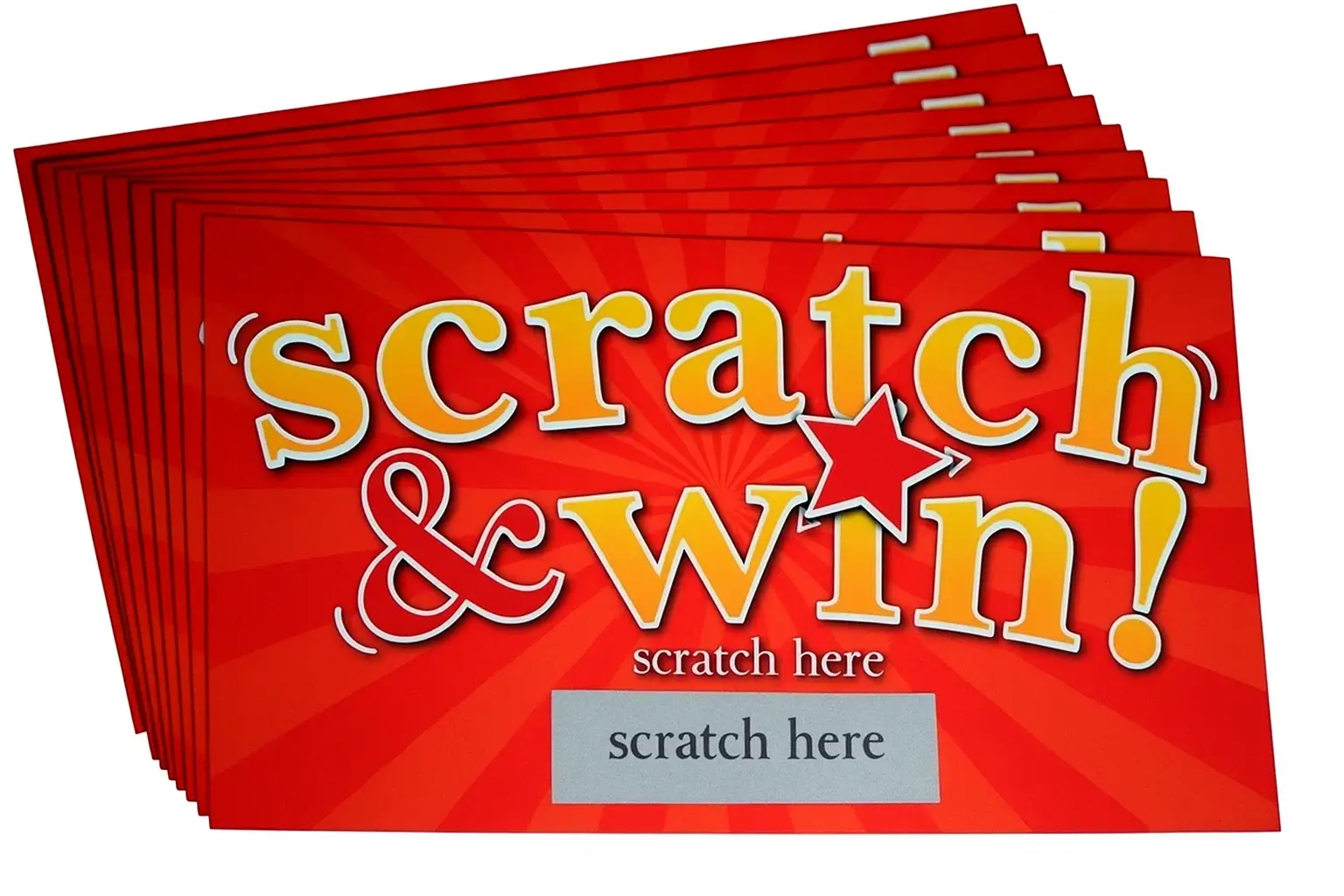
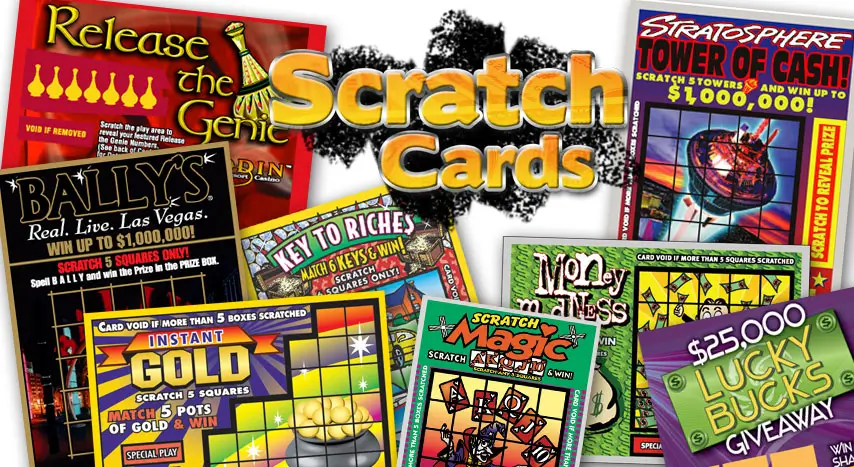
The original scratch card emerged in 1974 when Scientific Games Corporation developed the first computer-generated instant lottery ticket. The concept was brilliantly simple: cover potential winning combinations with an opaque latex coating that players could scratch off to reveal results instantly. By 1987, these tickets had generated over $1.2 billion in sales across multiple U.S. states.
The transition to digital formats began in the late 1990s when early online casinos recognized the potential of instant-win games. However, the first digital scratch cards were crude affairs—simple Flash animations that replicated the physical scratching motion without adding meaningful innovation. These early versions failed to capture the tactile satisfaction that made paper scratch cards appealing.
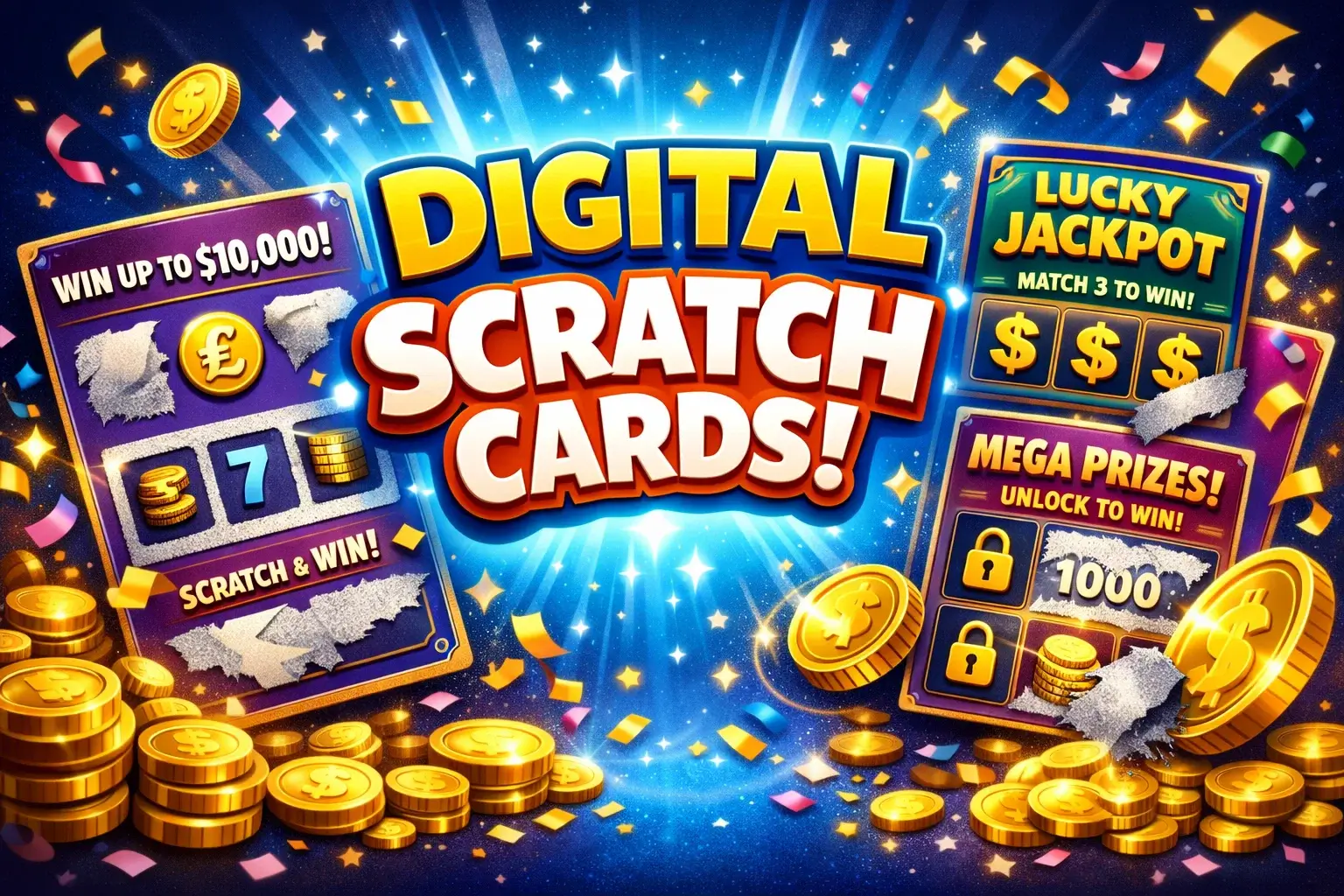
The real breakthrough came between 2008 and 2012 when mobile technology advanced sufficiently to support touch-screen interaction. Game developers realized they could recreate the scratching experience through touchscreen gestures while adding elements impossible in physical formats: animations, sound effects, progressive jackpots, and bonus rounds. Companies like NetEnt, Microgaming, and Playtech invested heavily in developing scratch card titles that felt native to digital platforms rather than simple ports of physical games.
By 2015, major lottery organizations worldwide had launched official digital scratch card platforms. The UK National Lottery introduced online instant-win games that generated £50 million in their first year. State lotteries across the U.S. followed suit, recognizing that younger demographics preferred mobile interaction over physical retailer visits.
The jump from paper to pixels required solving several technical challenges. Physical scratch cards used security features like unique serial numbers, specialized inks, and tamper-evident coatings to prevent fraud. Digital versions needed equivalent security through encryption, random number generators certified for fairness, and blockchain-style verification systems to ensure each game outcome was genuinely random and couldn’t be manipulated.
The economics also shifted dramatically. Physical scratch cards required printing costs, distribution networks, retailer commissions (typically 5-6% of sales), and complex logistics for prize fulfillment. Digital versions eliminated these overhead costs while enabling instant prize payment, reduced operational expenses by 60-70%, and allowed operators to offer higher RTP (Return to Player) percentages—typically 85-96% for digital versions compared to 60-70% for physical lottery scratch cards.
The Technology Behind Modern Instant-Win Games
Modern digital scratch cards operate on sophisticated random number generator (RNG) systems certified by independent testing laboratories like eCOGRA, iTech Labs, and GLI. When you tap to reveal a symbol, the outcome was actually determined the moment you purchased the card—the scratching animation is purely cosmetic, designed to recreate the anticipation of physical scratching.
The technical architecture typically involves three layers. The presentation layer handles graphics, animations, and user interaction through HTML5 or native mobile frameworks. The game logic layer processes rules, calculates wins, and manages the reveal sequence. The RNG core generates outcomes using cryptographic algorithms that produce genuinely unpredictable results—typically using hardware entropy sources rather than purely software-based pseudo-random generation.
Advanced digital scratch cards now incorporate features impossible in physical formats. Progressive jackpots pool small percentages from thousands of players across multiple platforms, creating prize pools that can reach six or seven figures. Bonus rounds trigger when specific symbol combinations appear, launching mini-games with additional winning opportunities. Multi-level gameplay allows single cards to contain multiple scratch areas with cascading prizes.
The graphics have evolved from basic 2D sprites to complex 3D rendered environments. High-end scratch card games now feature cinematic animations, particle effects for the scratching motion, and thematic soundtracks that adapt based on gameplay progress. The best examples use anticipation mechanics—subtle visual and audio cues that hint at potential wins before full symbol revelation, building tension similar to slot machine near-miss effects.
Mobile optimization requires specific technical considerations. Games must function smoothly on devices with varying processing power, from flagship smartphones to budget Android devices. Touch response needs precise calibration—too sensitive and players accidentally reveal symbols; too resistant and the scratching feels unresponsive. Data usage optimization is critical for markets with expensive mobile data, requiring efficient asset compression and intelligent preloading.
Cross-platform synchronization allows players to start games on mobile devices and continue on desktop browsers without losing progress. This requires sophisticated session management, secure token-based authentication, and real-time database synchronization. Cloud-based platforms now enable instant-play functionality where games load in seconds without requiring downloads, using progressive web app technology and edge computing for reduced latency.
Security protocols have become increasingly sophisticated to prevent exploitation. Modern systems use SSL encryption for all data transmission, two-factor authentication for account access, and behavioral analytics to detect unusual playing patterns that might indicate bot usage or account compromise. The game state gets cryptographically signed to prevent manipulation, and server-side validation ensures that client-side tampering can’t affect outcomes.
Why Digital Scratch Cards Became a Mobile Gaming Phenomenon
The mobile revolution transformed scratch cards from occasional lottery purchases into accessible entertainment available anywhere, anytime. Global mobile scratch card revenue reached approximately $8.2 billion in 2024, representing 42% of total instant-win gaming revenue—a dramatic increase from just 12% in 2015.
Several factors drove this explosive growth. The tactile nature of touchscreens proved ideally suited for scratch card interaction. Swiping to reveal symbols feels natural and satisfying in ways that clicking with a mouse never achieved. This haptic feedback—enhanced by device vibration when revealing winning combinations—creates an engaging sensory experience that rivals physical scratching.
Session length data reveals why mobile scratch cards fit modern lifestyle patterns. Average gameplay sessions last 3-7 minutes, perfectly suited for commute entertainment, waiting in queues, or brief leisure moments. Unlike complex slot games or table games requiring sustained attention, scratch cards offer complete experiences in under 30 seconds per game. This micro-entertainment format aligns perfectly with how people use mobile devices throughout the day.
Price accessibility expanded the market significantly. While physical scratch cards typically cost $1-$20 with limited denomination options, digital versions offer stakes from $0.10 to $100+ per card. This flexibility attracts both casual players seeking low-risk entertainment and high-rollers wanting substantial action. The ability to adjust stakes instantly without purchasing different physical cards removes friction from the gameplay experience.
Social features impossible with physical cards drive engagement on mobile platforms. Players share big wins on social media, participate in leaderboards tracking top winners, and join tournaments where scratch card play contributes to competitive rankings. Some platforms incorporate gifting mechanics where players can purchase scratch cards for friends, creating viral distribution patterns.
The instant gratification cycle became more potent on mobile devices. Physical scratch cards required visiting retailers, purchasing cards, scratching them, and potentially returning to claim prizes. Digital versions reduce this cycle to seconds: tap to purchase, reveal symbols immediately, and see winnings credited to your account automatically. This frictionless experience increases play frequency—active mobile scratch card players average 15-20 sessions monthly compared to 4-6 monthly purchases for physical card buyers.
Geographic expansion accelerated through mobile distribution. Markets with limited retail lottery infrastructure but high smartphone penetration—particularly in Southeast Asia, Latin America, and Africa—became accessible for digital scratch card operators. India saw mobile instant-win gaming grow 340% between 2020-2024 as smartphone ownership expanded and digital payment adoption increased.
Payment innovation removed traditional barriers. Mobile wallets, UPI payments, cryptocurrency integration, and carrier billing enabled players to fund accounts and purchase scratch cards without credit cards or bank accounts. In Bangladesh, bKash integration allowed scratch card platforms to tap into a market where 65% of adults have mobile money accounts but only 28% have traditional bank accounts.
From Physical Retailers to Casino Apps: Tracing the Transformation
The distribution model for scratch cards has fundamentally restructured over the past 15 years. Physical lottery retailers once held a monopoly on instant-win game distribution, taking 5-6% commissions on sales and requiring players to physically visit locations during business hours. This created natural limits on purchase frequency and geographic accessibility.
The first wave of digital distribution came through desktop online casinos between 2005-2010. These platforms added scratch cards as supplementary content alongside slots and table games, often using the same game providers. However, scratch card games remained a minor category, generating less than 3% of online casino revenue during this period. The desktop experience failed to capture the instant, accessible nature that made physical scratch cards appealing.
Mobile casino apps launched between 2010-2015 marked the turning point. Native iOS and Android applications optimized specifically for smartphone interaction transformed scratch cards from supplementary content into primary offerings. Dedicated scratch card apps emerged, focusing exclusively on instant-win games rather than broader casino content. These specialized platforms attracted players who preferred quick gaming sessions over extended slot or poker play.
The app-based distribution model introduced features impossible in physical retail environments. Push notifications alert players to new game releases, special promotions, or when progressive jackpots reach significant thresholds. Loyalty programs track lifetime play and offer increasingly generous rewards, creating retention mechanisms that physical lottery systems couldn’t match. Subscription models emerged where players pay monthly fees for daily scratch card allocations, creating predictable revenue streams for operators.
Official lottery organizations adapted by launching their own mobile applications alongside retail operations. The Pennsylvania Lottery app, launched in 2018, generated $200 million in its first year—revenue that supplemented rather than cannibalized retail sales. Research showed that mobile players typically represented new customer segments rather than existing retail customers switching channels. The average mobile lottery player was 15 years younger than the average retail purchaser.
Geographic restrictions created complex regulatory challenges. While physical scratch cards were bound by state or national borders through retail distribution, mobile apps enabled cross-border access that regulators struggled to control. Geo-location technology became mandatory, using GPS, Wi-Fi positioning, and cellular triangulation to verify player location before allowing real-money play. Some jurisdictions require location checks before every game purchase, while others verify location at login only.
The social casino model created parallel distribution channels where scratch card gameplay uses virtual currency rather than real money. Apps like Lottery Scratchers Deluxe and Scratch Cards! attract millions of downloads, offering free-to-play models with optional in-app purchases for additional virtual currency. These platforms serve as both entertainment and marketing funnels, introducing players to scratch card mechanics who might eventually transition to real-money platforms.
White-label technology platforms enabled rapid market expansion. Companies like SciPlay, IGT, and Playtech offer turnkey scratch card solutions where operators can launch branded apps with custom themes and prize structures without developing technology infrastructure. This reduced market entry barriers from millions in development costs to licensing fees and operational expenses, driving proliferation of specialized scratch card platforms targeting niche demographics or regional markets.
The transformation extended to prize fulfillment systems. Physical scratch cards require winners to claim prizes at retailers (for small amounts) or lottery offices (for larger prizes), creating friction and unclaimed prize pools averaging 5-8% of total prizes. Digital platforms credit winnings automatically to player accounts within seconds, eliminating unclaimed prizes and improving player experience. Large jackpot wins may still require identity verification and delayed payment for regulatory compliance, but the process occurs remotely without physical claims offices.
The Psychology of Instant Gratification in Digital vs. Physical Formats
The psychological mechanisms driving scratch card appeal operate differently across physical and digital formats, despite the core gameplay remaining similar. Understanding these differences reveals why digital versions have captured younger demographics while physical cards retain appeal for traditional lottery players.
Physical scratch cards engage multiple sensory channels simultaneously. The texture of the latex coating, the resistance felt while scratching, the gradual visual revelation of symbols, and the metallic scent of the scratched material create a multisensory experience. This tactile engagement activates brain regions associated with reward anticipation more intensely than purely visual stimuli. The physical evidence of the game—the scratched card—provides tangible proof of the experience and outcome.
Digital scratch cards compensate for reduced physical engagement through enhanced audiovisual feedback. High-quality sound effects—scratching sounds, musical stings for wins, dramatic audio cues for near-misses—provide auditory stimulation absent in physical cards. Visual effects like particle animations, symbol highlighting, and screen transitions create engagement through digital means. Haptic feedback through device vibration partially recreates tactile sensation, though less effectively than physical scratching.
The speed difference significantly impacts psychological response. Physical scratching typically takes 15-30 seconds per card, creating sustained anticipation. Digital reveals can happen in 2-5 seconds, accelerating the reward cycle but potentially reducing tension buildup. Sophisticated digital games address this through staged revelation—initial scratching reveals partial information, bonus rounds introduce additional anticipation phases, and progressive elements extend engagement beyond single-card sessions.
Variable reward schedules operate more transparently in digital formats. Physical scratch cards rarely display RTP percentages or odds information prominently. Digital platforms often include help screens detailing probability distributions, prize tables, and theoretical RTP values. This transparency paradoxically increases trust for some players who appreciate understanding the mathematics, while others prefer the mystery of physical cards where odds remain ambiguous.
The near-miss effect manifests differently across formats. Physical scratch cards use design techniques like placing losing symbols adjacent to winning combinations, creating illusions of “almost winning.” Digital versions employ similar tactics but can intensify them through animation—symbols spinning past winning combinations, extended reveal sequences that delay showing the final losing symbol, and visual emphasis on near-miss patterns. Research indicates digital near-misses activate reward pathways similarly to actual wins, potentially increasing addictive potential.
Cognitive availability bias affects format choice. Physical scratch cards require conscious decisions—driving to a retailer, selecting specific cards, completing transactions. These friction points create natural pauses for decision-making. Digital access reduces friction to single taps, enabling impulsive purchases without deliberative thinking. The always-available nature of mobile scratch cards means players never need to “run out” of games, eliminating natural stopping points present in physical formats.
Social proof mechanisms differ substantially. Physical scratch card winners are generally private experiences unless players choose to share results. Digital platforms incorporate social features—winner announcements, leaderboards, shareable win screens for social media—that leverage social proof to encourage continued play. Seeing others win creates optimism bias where players overestimate their own winning probability.
Loss aversion operates through different mechanisms. Physical scratch cards represent complete losses—the spent money and worthless card provide tangible reminders of losses. Digital systems often employ virtual currency conversions, bonus credits, and loyalty point accumulation that obscure actual monetary losses. Seeing a balance of “10,000 credits” feels different from recognizing you’ve spent $100, even when mathematically equivalent.
The endowment effect influences physical cards more strongly. Once purchased, players feel ownership over physical cards and may delay scratching to extend anticipated pleasure. Digital cards lack this ownership feeling—they’re ephemeral digital assets consumed immediately. This reduces the endowment effect but increases purchase frequency since players never build up unscratched inventory.
Responsible gambling tools function more effectively in digital environments. Time limits, deposit caps, self-exclusion options, and reality checks (notifications showing time played and money spent) can be programmed directly into digital platforms. Physical retailers have no mechanisms for tracking individual purchase patterns or intervening in problematic behavior. This gives digital formats potential advantages for harm minimization, though effectiveness depends on implementation quality and player willingness to use available tools.
The Future of Digital Scratch Cards: Emerging Trends and Innovations
The next phase of digital scratch card evolution centers on emerging technologies that promise to further differentiate digital formats from their physical predecessors. Several trends are reshaping the instant-win gaming landscape as operators seek competitive advantages in an increasingly crowded market.
Virtual reality integration remains experimental but shows promise for immersive scratch card experiences. VR headsets enable three-dimensional scratch card environments where players physically reach out to scratch cards floating in virtual space. Early prototypes feature themed rooms—ancient temples, underwater worlds, space stations—where card scratching becomes part of a larger immersive narrative. However, VR adoption for casual gaming remains limited by hardware costs and the fact that quick scratch card sessions don’t justify the setup effort required for VR equipment.
Augmented reality applications prove more practical for mainstream adoption. AR-enabled scratch cards use smartphone cameras to project virtual cards onto real-world surfaces. Players can scratch cards that appear on their kitchen tables, desks, or any flat surface, blending digital gameplay with physical environments. Some implementations incorporate location-based elements where specific geographic locations unlock exclusive cards or bonus features, creating treasure hunt-style gameplay encouraging physical exploration.
Blockchain integration addresses transparency and provably fair gaming. Cryptocurrency-based scratch card platforms use smart contracts to generate outcomes, allowing players to verify independently that results weren’t manipulated. Each card purchase records on blockchain ledgers, creating immutable transaction histories. NFT-based scratch cards introduce collectibility—certain rare winning cards become tradeable digital assets with secondary market value beyond their initial prize amounts. However, cryptocurrency volatility and regulatory uncertainty limit mainstream adoption of blockchain-based instant-win gaming.
Artificial intelligence personalization tailors game experiences to individual preferences. Machine learning algorithms analyze playing patterns, favorite themes, preferred stake levels, and session timing to recommend specific scratch card titles. Dynamic difficulty adjustment subtly modifies gameplay variables—symbol distributions, bonus trigger frequencies, near-miss occurrences—to optimize engagement for individual players while maintaining overall RTP percentages. Privacy concerns and ethical questions about manipulation potential create ongoing debates about AI personalization limits.
Social multiplayer scratch cards introduce competitive and cooperative elements. Tournament formats where players compete to achieve highest total winnings within time limits transform traditionally solitary gameplay into competitive events. Cooperative modes allow groups to pool purchases for shared cards with larger potential prizes split among participants. Real-time multiplayer scratching where multiple players simultaneously reveal the same card creates shared suspense moments similar to live game shows.
Skill-based elements emerge as regulatory frameworks evolve. Traditional scratch cards are pure chance, but newer formats incorporate skill components where player decisions influence outcomes within random parameters. Puzzle elements require solving simple challenges to reveal bonus multipliers. Timing-based mechanics reward precise scratching actions. Strategy layers allow choosing which symbols to reveal first, with certain sequences offering advantages. These innovations address younger demographics raised on skill-based mobile games who find pure chance games less engaging.
Cross-platform integration creates unified ecosystems. Players build persistent profiles carrying progress, loyalty status, and collected cards across multiple platforms—mobile apps, desktop browsers, land-based casino kiosks, and even television interactive gaming channels. Unified wallets enable seamless transitions between platforms without separate deposits. Achievements and unlockables earned on one platform become available everywhere, encouraging engagement across multiple touchpoints.
Television synchronization represents an emerging distribution channel. Interactive TV applications allow viewers to purchase and play scratch cards synchronized with broadcast programming—special cards available only during specific shows, themed around popular programs, with outcomes revealed during commercial breaks. This creates appointment-based gaming occasions similar to traditional lottery draws but with instant-win mechanics. Early trials in European markets show strong engagement from viewers who enjoy dual-screen entertainment combining passive television watching with active gaming participation.
Subscription models gain traction as alternatives to per-card purchasing. Netflix-style monthly fees provide daily scratch card allocations, encouraging regular engagement without per-session payment decisions. VIP subscriptions offer enhanced features—exclusive card designs, improved odds, early access to new releases—creating tiered service models. These recurring revenue structures provide operators predictable income streams while potentially reducing problem gambling risks associated with impulsive unlimited purchases.
Regulatory evolution shapes development directions. As governments worldwide update gambling laws to address digital formats, operators adapt to new requirements. Enhanced responsible gambling tools become mandatory—comprehensive transaction histories, automated risk detection systems, mandatory cooling-off periods after large losses, and integrated self-exclusion databases shared across operators. Age verification improves through biometric authentication and AI-powered document analysis, reducing underage access risks.
The environmental angle provides unexpected marketing opportunities. Digital operators emphasize sustainability advantages—no paper production, printing chemicals, or physical waste. Some platforms calculate and display carbon footprint comparisons between digital and physical scratch card usage, appealing to environmentally conscious consumers. A few operators even implement tree-planting programs where percentages of revenue fund reforestation projects, creating positive environmental associations with digital gaming.
Conclusion
The transformation of scratch cards from paper lottery tickets to sophisticated digital entertainment illustrates broader patterns in gaming evolution. Physical constraints—printing costs, distribution logistics, static gameplay—limited what scratch cards could offer. Digital platforms removed these restrictions while introducing new capabilities impossible in physical formats.
The journey from 1970s lottery innovation to today’s mobile gaming phenomenon required solving technical, psychological, and regulatory challenges. Creating digital experiences that captured the appeal of physical scratching while adding meaningful digital enhancements took decades of iteration. The result is an instant-win gaming category that serves different purposes for different players—quick entertainment for casual users, accessible gambling for traditional lottery players, and sophisticated gameplay for experienced gamblers.
Digital scratch cards succeeded not by simply replicating physical cards online, but by reimagining what instant-win gaming could be in digital contexts. The best digital implementations understand that pixels and paper serve different purposes, require different design approaches, and appeal to different psychological motivations. As technology continues evolving, the gap between physical and digital experiences will likely widen further, with each format serving distinct market segments rather than competing directly.
The $8+ billion mobile scratch card market demonstrates that digital transformation created new value rather than simply migrating existing activity online. Younger demographics who never purchased physical lottery tickets now engage with instant-win gaming through mobile apps. Geographic markets without established lottery infrastructure access scratch card entertainment through smartphones. The evolution from paper to pixels expanded the total instant-win gaming market rather than merely redistributing existing players across new channels.
Looking forward, the continuing challenge for digital scratch card developers is maintaining the simple, accessible appeal that made physical scratch cards successful while leveraging digital capabilities to create meaningfully enhanced experiences. The most successful future formats will be those that respect the psychology of instant gratification while offering innovations that feel native to digital platforms rather than forced attempts to recreate physical sensations through screens.