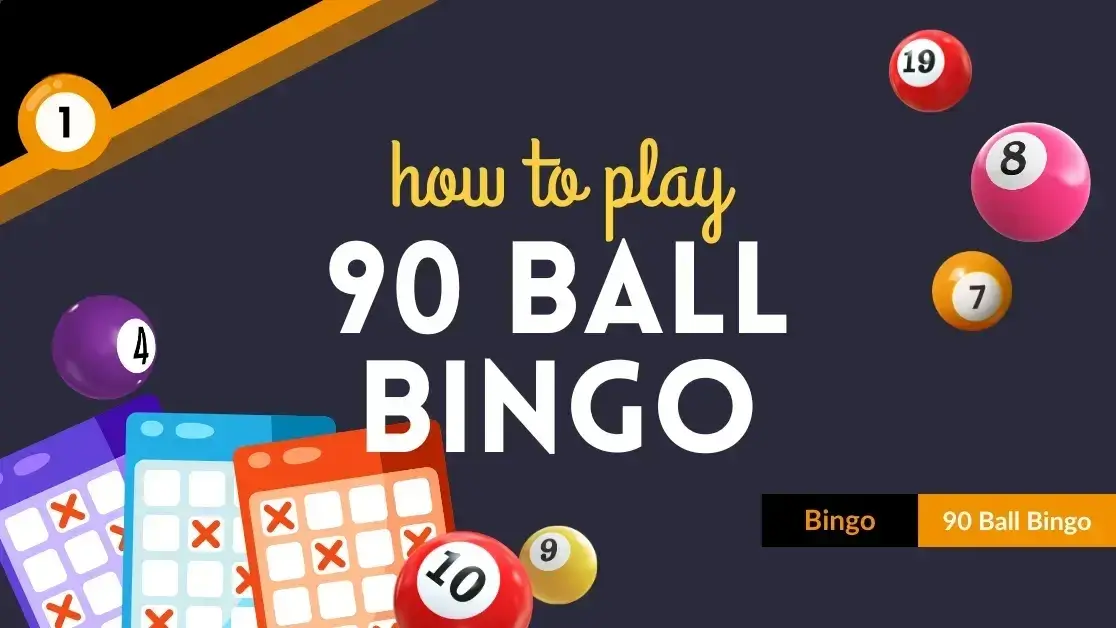
Look, I’ve been dabbing numbers on bingo cards for over eight years now, and if there’s one game that gets my heart racing faster than a triple espresso shot, it’s good old 90 Ball Bingo. This isn’t just another casino game – it’s a British institution, and quite frankly, one of the most entertaining ways to potentially turn a few quid into a proper payday.
Whether you’re a complete newbie or a seasoned dauber looking to up your game, buckle up. We’re diving deep into 90 Ball Bingo, and by the end, you’ll be shouting “House!” with the best of them.
The Origins: From Renaissance Italy to Your Mobile Screen
A Journey Through Five Centuries
Right, let’s rewind to 1530s Italy. The Italians invented Il Gioco del Lotto d’Italia – basically a national lottery that had everyone hooked. Fast forward, and the French aristocracy adopted it as “Le Lotto,” playing in fancy salons while sipping expensive wine. Classic French behavior.
The game migrated to Great Britain in the 18th century, and the Brits turned it into “Housey-Housey” (brilliant name, honestly). But the real game-changer came in 1960 with the Betting and Gaming Act. Suddenly, bingo halls exploded across the UK. By 2005, nearly 600 clubs were operating nationwide – community hubs where friendships formed, romances blossomed, and occasionally someone won enough for a new car.
I remember my first bingo hall visit. The atmosphere was electric – cheap perfume, clickety-clack daubers, and that collective gasp when someone was one number away from full house. Magical stuff.
Now the digital revolution has brought 90 Ball Bingo online. You can play in pajamas at 3 AM while eating cereal – try doing that in a traditional hall without strange looks!
Why 90 Balls?
With 90 numbers, you can create strips of six tickets where every number 1-90 appears exactly once. It’s mathematically elegant. Buy a full strip, and you’re guaranteed to mark off a number every single call. That constant engagement keeps players coming back.
The 90-ball format also enables the three-stage prize structure: one line, two lines, and the glorious full house. It’s like three games in one.
The Rules: How This Beauty Actually Works
Your Ticket: Gateway to Glory
Picture a 9×3 grid – nine columns, three rows, 27 squares total. Here’s the clever bit: only 15 squares contain numbers. The other 12? Blank. This speeds up gameplay significantly – you’re tracking five numbers per row instead of nine. When you’re sitting at 1TG with your heart pounding, you’ll appreciate this simplicity.
Number distribution follows a strict pattern:
- Column 1: 1-9 | Column 2: 10-19 | Column 3: 20-29
- Column 4: 30-39 | Column 5: 40-49 | Column 6: 50-59
- Column 7: 60-69 | Column 8: 70-79 | Column 9: 80-90
Each row has exactly five numbers and four blanks. No exceptions. This consistency helps experienced players quickly scan tickets and spot potential winners. After a few games, you’ll develop an intuitive feel for where numbers should appear.
I remember my first week playing – I kept expecting the entire grid to fill with numbers. Learning that blanks are deliberate was oddly liberating. Less clutter means less stress, especially when you’re juggling multiple tickets.
The Strip System: Complete Coverage
Buy a complete strip of six tickets, and you’ve got every number 1-90 covered. Every. Single. One. This guarantees you’ll dab a number every call. It doesn’t improve winning odds, but it keeps you constantly engaged, and there’s genuine psychological value in that.
Think of strips as the bingo equivalent of getting the full buffet rather than ordering à la carte. You’re sampling everything, and while you might not love every dish, you’re definitely getting the complete experience.
I typically use strips for casual sessions when I want steady action without stress. It’s particularly satisfying in longer games where 60+ balls get called. You’re marking numbers constantly, staying alert, feeling involved in every single draw. Compare that to playing single tickets where you might go 10-15 balls without dabbing anything – that’s when attention wanders and mistakes happen.
Three Chances to Win: The Holy Trinity
Every game offers three distinct prizes, creating a beautifully structured arc of tension and release:
One Line (£5-£20 typically)
Complete any horizontal row – five numbers in a line. First to finish claims the prize. This usually happens 15-20 balls into the game, so roughly 3-4 minutes in. It’s the “warm-up” prize, the appetizer before the main course.
I’ve won countless one-line prizes. They’re frequent enough to feel achievable but not so common that they’re meaningless. That small dopamine hit of “Yes! I won something!” sets a positive tone for the rest of the game. Even if I don’t win two lines or full house, at least I’ve covered my ticket cost and maybe bought a coffee.
Two Lines (£15-£50 typically)
Two complete horizontal rows on the same ticket. This is where casual players start getting eliminated and serious contention begins. Maybe 10-15 players (from an initial 45) are still realistically in the hunt at this stage.
The prize jump from one line to two lines is significant enough to get exciting. We’re talking “nice dinner out” money rather than just “coffee and biscuit” money. I once won £48 on a two-line prize in a 25p game – that’s nearly 200x return on investment. Not bad for 8 minutes of dabbing numbers.
Here’s something many new players don’t realize: if you’ve already won the one-line prize, you’re absolutely still eligible for two lines on that same ticket. I’ve double-dipped multiple times – claiming both the one-line and two-line prizes in the same game on the same ticket. That’s one of 90 Ball’s beautiful features: your winning ticket keeps winning.
Full House (£50-£10,000+)
All 15 numbers on a single ticket. The grand finale. The big kahuna. This is what turns casual entertainment into genuine excitement.
Full house prizes vary wildly based on ticket price, player count, and room type. Penny games might pay £50-100. Premium £1 rooms? £500-1,000 is common. Progressive jackpot rooms? I’ve personally witnessed £8,700 full house wins, and verified records exceed £25,000.
The psychology of approaching full house is fascinating. You’re sitting on 14 numbers. One to go. The screen shows seven other players also at 1TG. Every ball called ratchets up the tension. Your palms sweat slightly. Your breathing gets shallow. The cat walks across your keyboard and you nearly have a heart attack.
Then your number hits. The screen explodes with congratulations. Your balance updates. And for about 30 seconds, you feel like you’ve hacked the matrix and discovered the secret to infinite wealth. Then reality returns, but hey – you’ve won money playing a game, which is objectively fantastic.
Game Flow: Start to Finish
Let me walk you through a complete game with specific examples:
Pre-Game Lobby (17:57 PM)
You browse rooms. “Lucky Lounge” catches your eye: starting in 3 minutes, 10p tickets, £100 full house prize. Currently 45 players registered. Quick mental math: 45 players probably buying 4-6 tickets each = 180-270 tickets total. Your six tickets would represent roughly 2.5% of total tickets. Not amazing odds, but respectable for such a low buy-in.
The lobby countdown reads: 2m 43s. Chat room is active – players greeting each other, discussing previous wins, sharing complaints about near-misses. The community vibe is warm and welcoming. Someone jokes about their cat sitting on their laptop during the last game. Everyone laughs. This is why people keep playing.
Game Start (18:00 PM sharp)
Timer hits zero. Screen transitions from lobby to game view. Your six tickets are displayed clearly, best tickets automatically sorted to top positions. The first ball drops: “Number 12, one and two, a dozen!”
If you’ve got auto-daub enabled (you should), the number lights up across your tickets instantly. Manual players scramble to find and click 12. Already, the auto-daub advantage is obvious – you’re watching the game, not hunting for numbers.
Second ball: “Number 67, made in heaven!” Third ball: “Number 41, time for fun!” The rhythm establishes itself. Call, daub, pause. Call, daub, pause. Hypnotic and engaging.
The Action (18:03 PM – 6 balls in)
Your best ticket shows 2TG for one line. Two to go. Excitement builds. Other players in chat: “Come on, 34!” “Need 89 for line!” The communal tension is palpable even through screens.
Ball seven: “Number 34!” Your number! You’re now 1TG for one line. The ticket border glows amber (different sites use different indicators). Your heart rate increases noticeably.
Ball eight: Not your number. Ball nine: Not your number. Ball ten: Someone else wins one line. Their name flashes on screen: “xXLuckyLadyXx wins One Line – £10!” Game continues. You’re still hunting that elusive final number for your line.
Ball twelve: “Number 88, two fat ladies!” It’s yours! You win the second one-line prize (tied, so prize is split – you get £5). Not huge, but you’re £4.90 up already, essentially playing the rest of the game for free now.
The Middle Game (18:06 PM – 18 balls called)
The pace continues steadily. Players who won one line now chase two lines. Those who didn’t win one line are now out of that race but still in for two lines and full house.
You’ve got 8 numbers marked across one ticket – still 7 to go for full house on that card. On another ticket, you’ve got both rows showing 2TG each. If you catch the right numbers quickly, two lines is definitely possible.
Twenty-second ball: Completes a line for you on a different ticket. Twenty-seventh ball: Someone wins two lines – £25 prize. You’ve missed out on two lines, but the game continues. Full house is still very much in play.
The Tense Finish (18:10 PM – 35 balls called)
You’re now at 3TG for full house on your best ticket. Three numbers needed: 19, 56, 73. Around the room (shown on screen), player counts at various stages:
- 1TG: 4 players
- 2TG: 12 players (including you)
- 3TG: 15 players
The odds are narrowing. Those 1TG players are in pole position, but anything can happen. The chat fills with nervous energy: “Come on 92!” “19 please!” “Need 6!”
Ball 36: Number 19. That’s yours! Now 2TG. Two to go. Your ticket border shifts from amber to bright red. The system knows you’re close.
Ball 39: Number 73. Holy… you’re at 1TG. One number away from £100. One. Single. Number. The number is 56.
Chat explodes: “Anyone else 1TG?” Three other players confirm they’re also 1TG. Four players, one prize, dozens of numbers still uncalled. This is where 90 Ball Bingo lives.
Ball 40… 41… 42… 43… none are 56. Each ball feels like an eternity.
Ball 44: “Number 56, clean the slate!” It’s YOURS!
Screen erupts. Confetti animation. “CONGRATULATIONS! FULL HOUSE!” Your name displayed prominently. Balance updates: +£100. The chat floods with congratulations and friendly jokes about your luck.
That feeling? That right there? That’s why people play bingo.
Auto-Daub: Just Use It
Some purists love manual clicking for “authentic engagement.” Here’s my professional opinion after countless games: use auto-daub, especially with multiple cards.
Missing a number at 1TG for £1,000 because you were too slow or didn’t spot it? That psychological damage lasts. I’ve seen it happen. Three years later, that player still winces when discussing it.
Auto-daub is accurate, instantaneous, and removes human error from the equation. Your job becomes monitoring strategy and enjoying the game, not frantically hunting for numbers like you’re defusing a bomb.
The only exception? Single-card games in traditional physical halls where manual daubing is part of the authentic experience. Online multi-card games? Auto-daub always. No exceptions. This is the hill I’ll die on.
The Brilliant Bits (And The Bits That Aren’t)
Why 90 Ball Bingo Rocks
Three Winning Chances Per Game
You get three shots at prizes every game. Miss the one-line? Still in for two lines and full house. I’ve lost count of times I’ve missed the first two only to snag the full house. Game ain’t over until the last ball drops.
Beginner-Friendly
Compared to 75-ball pattern bingo, this is refreshingly straightforward. Just complete horizontal lines. My 68-year-old mum learned it in five minutes, and she thinks her iPhone is dark magic.
Perfect Pace for Socializing
Games last 8-12 minutes – significantly longer than 30-ball speed bingo (over before you’ve sat down). This makes 90 Ball perfect for chat rooms and community building. I’ve made genuine friends in these rooms. We celebrate wins together, commiserate over near-misses, and share terrible dad jokes.
Massive Jackpot Potential
Progressive jackpots can reach eye-watering sums. I’ve witnessed £25,000+ jackpots. Tombola starts progressives at £500 and lets them build until someone calls full house in 40 balls or less. The tension? Electric.
Transparent and Fair
UK Gambling Commission keeps tight control. RNGs are independently audited. The randomness is genuine, prizes guaranteed. Play on licensed sites and you’re golden.
Stakes for Everyone
From 1p tickets to £2+ premium rooms. I stick to 10p-25p for regular sessions, £1 games for special occasions. Everyone finds their comfort level.
Mobile-Optimized
Runs beautifully on phones and tablets. I do 60% of my playing on mobile while “watching TV.” Don’t tell my wife.
The Not-So-Great Bits (Honesty Matters)
The House Always Has an Edge
Let’s be real: operators aren’t running charities. They take a cut from every ticket sale. Long term, average players lose money. That’s mathematics. Play for entertainment, not investment.
Low-Player Rooms = Smaller Prizes
Better odds in quiet rooms, but prize pools shrink accordingly. Ten players with 10p tickets? Expect £20-30 full house, not £1,000.
Can Get Repetitive
After several hours (which I’ve definitely never done multiple times this week…), even I admit it feels samey. Some find it meditative; others find it monotonous.
Bonus Wagering Requirements Are Brutal
“Deposit £10, get £30 bonus!” sounds great until you see 60x wagering requirements. That’s £1,800 in ticket purchases before withdrawal. Always read terms and conditions. I know they’re boring, but trust me.
Near-Misses Are Psychological Torture
Sitting at 1TG for 23 consecutive balls while your number refuses to appear? I’ve experienced this. When it finally came… someone else had already won three balls earlier. I may have said some colorful words.
Technical Glitches Happen
Disconnections, freezes, occasional bugs. Reputable sites usually compensate for technical losses, but it’s still frustrating. Keep your internet connection stable.
Strategies That Actually Work (And Myths to Ignore)
Smart Ticket Buying
The 4-6 Ticket Sweet Spot
This gives decent coverage without overwhelming you or breaking the bank. Beyond 12 tickets, returns don’t scale proportionally with increased cost. Start small, scale up gradually as you gain confidence.
Avoid Chasing Losses
Don’t increase ticket purchases because you’re losing. Each game is independent; odds don’t change because you’ve lost five in a row. I learned this the expensive way – 20 tickets on game 11 after losing 10 straight. Still lost. Randomness doesn’t care about your feelings.
Room Selection: Finding Value
Play Off-Peak
Weekday afternoons and late nights (2 AM-6 AM) = fewer players = better odds. I’ve had my best sessions between 2-4 AM on Tuesday nights. Prize pools are smaller, but winning £30 from 15 players beats winning £100 from 200.
Analyze Ticket Price vs. Prize Pool
Quick math before buying:
- Room A: 10p tickets, £100 full house, 50 players (200-250 tickets total)
- Room B: 25p tickets, £200 full house, 30 players (120-150 tickets total)
Room B offers better odds per unit invested.
Fair-and-Square Rooms
Sites like Mecca (“Best Odds”) and PlayOJO (“Equaliser”) limit ticket purchases per player. These level the playing field and reward skill/luck over pure bankroll. Plus, communities are friendlier.
Bankroll Management: Critical Stuff
The 5% Rule: Never spend more than 5% of total bankroll on a single game. £100 monthly budget? Maximum £5 per game.
Session Limits: Set time (two hours max) and loss limits (£20 for me) before playing. When you hit either, stop. No exceptions. Use phone timers to enforce this.
Separate Your Funds: Keep gambling money separate from daily finances. I use a separate e-wallet. Seeing “-£342” over six months is different from vaguely thinking “I probably lost a bit.” Clarity prevents delusion.
Bonus Hunting Reality Check
Welcome bonuses look amazing but come with wagering requirements. £40 bonus × 60x wagering = £2,400 in tickets needed. Treat bonuses as extended playtime, not withdrawable cash.
Loyalty programs often provide better value: cashback (5-10%), points with lower wagering, exclusive rooms, birthday bonuses. I’m VIP on Tombola and Mecca – genuinely worthwhile.
Myths to Ignore Completely
“Hot” and “Cold” Numbers: Don’t exist. RNG doesn’t remember previous games. Number 42 isn’t “due.”
More Tickets Guarantee Wins: Nope. I’ve seen 30-ticket players lose to someone with one ticket. Randomness is brutal.
“Lucky” Rooms/Times: Superstition. The RNG doesn’t care. Play rooms with good odds and favorable structures, but don’t fool yourself about “luck.”
Chat Hosts Influence Results: They’re lovely humans who can’t control the RNG. Be nice because humans should be nice to each other, not because you think it helps you win.
FAQ: Your Questions Answered
What’s the minimum spend?
Some sites offer 1p tickets. You could play an hour with £1. I recommend starting with 10p tickets though – £5 gets you 50 tickets, and prize pools are significantly better (£50-100 full houses).
Can I really win big money?
People have won £10,000+ playing 90 Ball. Record progressives exceed £25,000. But odds are astronomical – you need full house in 40 or fewer calls from hundreds of players. Play for entertainment; treat big wins as bonuses, not expectations.
How do I know it’s not rigged?
UK sites are licensed by the Gambling Commission. They require certified, independently audited RNG software. Check the license number in the site footer and verify on the Commission’s website. Licensed = fair. Unlicensed offshore sites? Avoid completely.
Best site for beginners?
Tombola (low tickets, simple interface, excellent support) or Mecca Bingo (huge jackpots, frequent events). Both are reputable, beginner-friendly, and properly licensed.
How long do games last?
Typically 8-12 minutes. Compare to 75-ball (5-8 minutes) and 30-ball speed bingo (1-3 minutes). Perfect for relaxed, social play.
Can I play on mobile?
Absolutely. Every major site has apps or mobile-optimized websites. I prefer phone play – cleaner interface, play anywhere. Just maintain stable internet to avoid disconnections at crucial moments.
What if I disconnect mid-game?
Your tickets remain active, auto-daub continues server-side. If you win while disconnected, prizes are still credited. Reconnect quickly though – the anxiety of not knowing is unbearable.
Progressive jackpot strategy?
Not really. Just play in progressive games and understand qualifying criteria (usually full house in 40 balls or fewer). Odds are lottery-level, but someone wins eventually. I play 1-2 per session, treating tickets as entertainment expenses.
Can I play free?
Some sites offer free rooms with real prizes. Prizes are smaller and rooms more crowded (worse odds), but excellent for learning. Tombola and Mecca have daily free games with £40,000 weekly jackpots.
Biggest beginner mistake?
Buying too many tickets (15-20) in first games. Start with 2-4 max. Get comfortable, understand the flow, then scale up. Second-biggest: not setting budgets before playing. Don’t be that person.
90 Ball vs. 75 Ball?
Different, not better/worse. 90 Ball offers longer games, three prizes, simpler rules, traditional British feel. 75 Ball offers faster gameplay, pattern variety, strategic card selection. I play both – 90 Ball for relaxed evenings, 75 Ball for quick action.
When should I stop?
Set hard limits before starting: time (two hours for me), loss (£20), win (stop if I double bankroll). Hit any limit? Stop immediately. If you’re thinking about bingo constantly, hiding play from family, chasing losses, or gambling with money you can’t afford to lose – seek help. GamStop and BeGambleAware are excellent UK resources.
Final Thoughts: Worth Your Time and Money?
After eight years of dabbing numbers, my honest assessment: 90 Ball Bingo is genuinely entertaining with decent odds (for gambling), wonderful social components, and potential for meaningful wins.
Will it make you rich? Almost certainly not. Will you lose money long-term if you play regularly? Probably yes – that’s gambling. But approached as entertainment rather than investment, with strict budgets and responsible play, it’s a fantastic way to spend a few hours and potentially walk away with profit.
The three-prize structure keeps every game engaging. The community provides social connection that’s increasingly rare. The adrenaline rush of sitting at 1TG for a massive jackpot is legitimately thrilling. And occasionally – just occasionally – you’ll hit a big win that feels magical.
My advice? Try it. Start with free games or penny tickets. Find a reputable, licensed site. Set a modest budget you can afford to lose. Play a few games, feel out the community. If you enjoy it, wonderful. If not, you’ve lost maybe a fiver and gained experience.
Remember: the numbers on your ticket are random, but the fun you have is entirely up to you. Play smart, play responsibly, and may your cards be ever in your favor.
Now excuse me, I’ve got a 7 PM game starting in three minutes, and I’ve got a feeling my luck is about to turn. (It probably isn’t, but hope springs eternal, doesn’t it?)